Q&A - NTR: Avoiding J-curves and inflationary pressures
 Ashkenaz A.L.
NTR is a sustainable infrastructure investor and asset manager that develops, constructs, and operates renewable energy projects in 60 locations across seven European countries. The company has developed, constructed and operated over 3GW of wind, solar and energy storage projects to date.
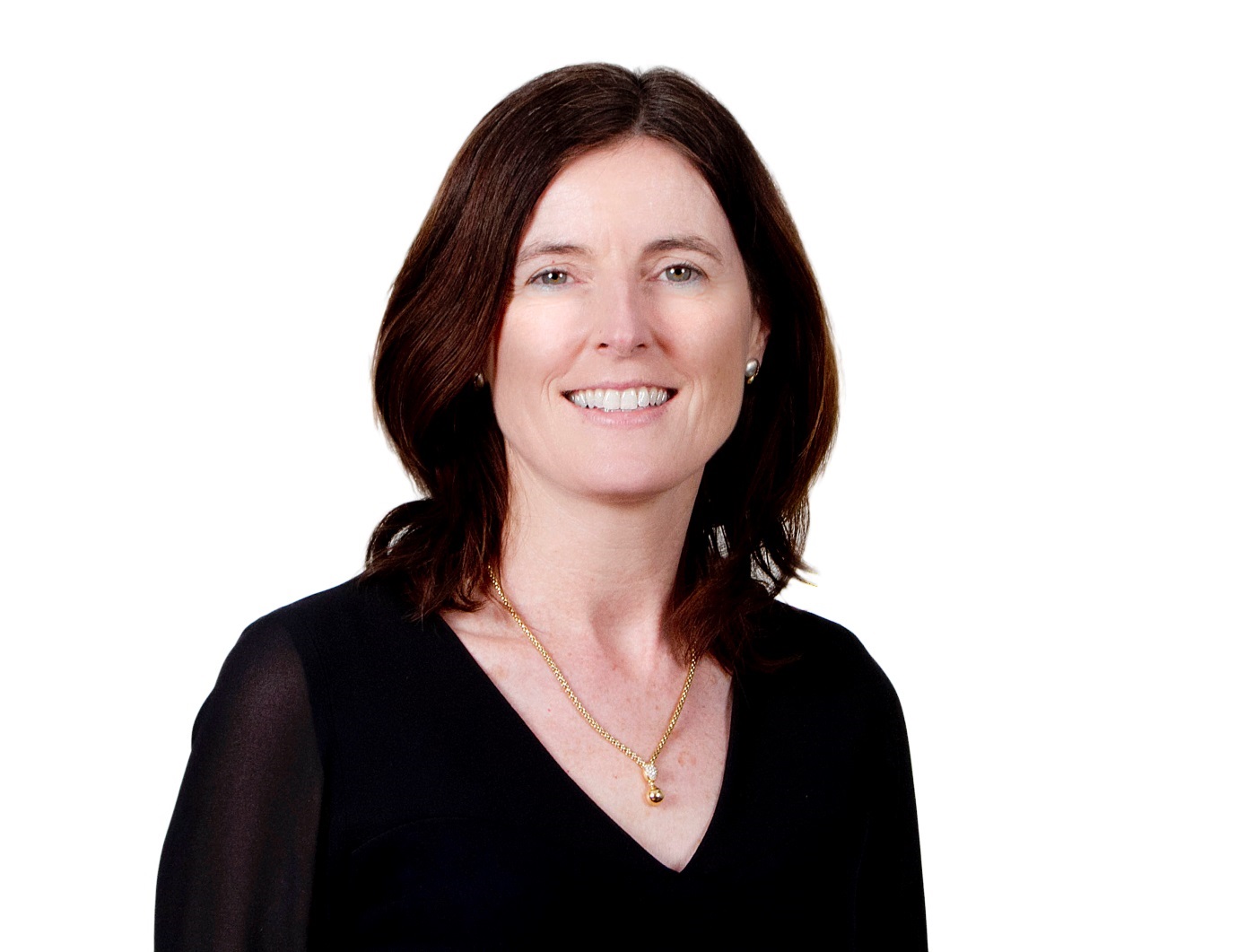
inspiratia speaks to Rosheen McGuckian, chief executive officer at NTR, on how the asset manager has navigated investing in various unprecedented challenges faced by Europe over the past few years.
Which renewable sectors is NTR most interested in right now?
It is still wind, solar and battery storage. I know when we talk about the energy transition, people like to talk about stretching the boundaries of different areas. We like proven technologies. We like the fact that wind and solar, in particular, are the ones that are most likely to get planning permission. They are the most likely to get off the ground and they are still the most cost-efficient forms of power generally, not just renewable energy power. So, we see them as the nexus of the overall decarbonisation.
Once you electrify the broader sectors like transportation, and you go back to the beginning of the chain, it is most likely to be coming from wind and solar. Alongside that, we see battery storage as a huge enabler of this rapid electrification and decarbonisation because of the growth of renewables, particularly wind and solar, around Europe. Battery storage is now a proven technology, so again, we are as interested in growing our battery storage fleet alongside wind and solar.
We do both onshore and offshore wind. But the onshore wind is what we develop, build, and operate ourselves. When we invest in offshore wind, we take a piece of an existing offshore wind project, with other larger players already having taken the risk in terms of development and construction, and the asset is already operational, up and running and proven.
How has the investment space changed over the past 25 years?
First, renewables have become the heart of infrastructure investing, for obvious clean energy reasons. The second thing is, back then, it was all about securing planning permission. Once you got that, you were at the ready-to-build stage, you applied for feed-in tariffs, you did not have to worry about your route to market. You are just going to get your feed-in tariffs long-dated, and 100% of your power was covered. That side of things is a lot more complex today. In European markets, some countries have contracts for difference (CfDs), so you need the skill set to bid into these auctions for government support.
Separately, a growing area is the corporate power purchase agreement (PPA) market, which has a huge degree of variability and complexity. So, it is a new and expansive skill set that you need, as well as an understanding that you are likely going to have some element of exposure to wholesale power prices.
The third thing I would say is that it has become a lot more complex in terms of getting access to grid connections and getting planning permission. There is a lot more engagement required than you might have had 25 years ago in terms of making sure that projects secure planning in a reasonable timeframe.
If Europe wants to hit its renewables targets for 2030, the construction and development of projects will need to scale up massively. What can governments do to reach their targets?
There is a lot that the governments are trying to do. Firstly, they need to continue to run auctions. But what they should be doing with the auctions – and you can see that this is now beginning to happen – is either raising the price caps or increasing indexation. One or the other needs to happen because a lot of auctions are not being successful because there is a mismatch between the cost today for financing and construction and the old auction cap levels.
The secondary thing they really need to focus on is how to unlock the many years of delays that you may get around planning. And that is a big issue. It is recognised at the European level with the European Green Deal, and several countries are following up on that. They are doing things such as putting in segregated areas where planning decisions need to be made quicker.
One of the areas that I particularly think could have a lot of opportunity to push harder, is the change in legislation around repowering. So, making faster decisions around repowering, rather than just running the planning process from the start as if there was never a project there. There are over 35,000 wind turbines in Europe that are now coming to the end of life and have an opportunity. They have a grid connection already, and if you could get the planning as an amendment rather than planning from scratch, you could make that flow through a lot quicker.
The third area is the grid itself. As I mentioned, the grid needs planning, as well as grid connections. One of the areas that we are short on is just human capital. There are just not enough crews in the various countries in which we operate to be able to get the grid connections built in a timely manner. I think if you could tackle those three things, you will unlock an awful lot.
How have you navigated the various unprecedented challenges faced by the market in the past few years?
We have projects at different stages of the cycle. We have operational projects which were benefiting from inflation, but then we have the projects that we had already acquired that we needed to get built during an inflationary period. And then we have projects that we are buying during an inflationary period.
The pre-operational ones that we had already bought with previous business or investment assumptions were now in a difficult environment. We ended up doing a lot of navigating in terms of understanding the increase in costs in terms of construction and finance.
Then, at the other end, we had to navigate our way through how to increase the power price and revenues that were coming through. For example, there are a couple of solar projects that we had originally secured an auction price for. We ended up putting a corporate PPA in place. So, we stepped out of the auction and put in a corporate PPA at a higher rate, and those projects are now nearly ready to energise.
Then, looking at the projects that we are investing in during this inflationary environment, that is just about being prudent in your assumptions of what you think power prices are actually going to be, taking into consideration what you now understand the cost of construction to be, as well as financing. A little bit of management of how much debt you put in is often part of the equation. Debt is much more expensive in certain markets, but not all of them. So, we might put in less debt than we otherwise might have done before.
Looking at the L&G NTR Clean Power Fund, how do you try to avoid a J curve, and why is that important?
The fund that we have put together with L&G is a core-plus fund. So, you are getting value-add, but also, our investors are looking for income as soon as possible. What we do is we buy some operational assets, right up front, or very soon-to-be operational assets, so that investors are getting yields pretty quickly. Then, in addition to that, we are investing in longer-term value-add projects, the ones that we develop and construct when you can make the additional value and increase the overall returns. This is really important for investors, anxious to try and avoid a number of years of a J-curve. The type of investors we attract are insurance companies, pension funds, and so on, and they are looking for income, as well as value-add. So that is why we structured the fund in such a way that they can get income very early in the fund's life.