Q&A - CEE Group: Investment strategy and trends in renewables
 Aishwarya Harsure
EU
MultisectorsQ&AFinancingPolicy & Regulation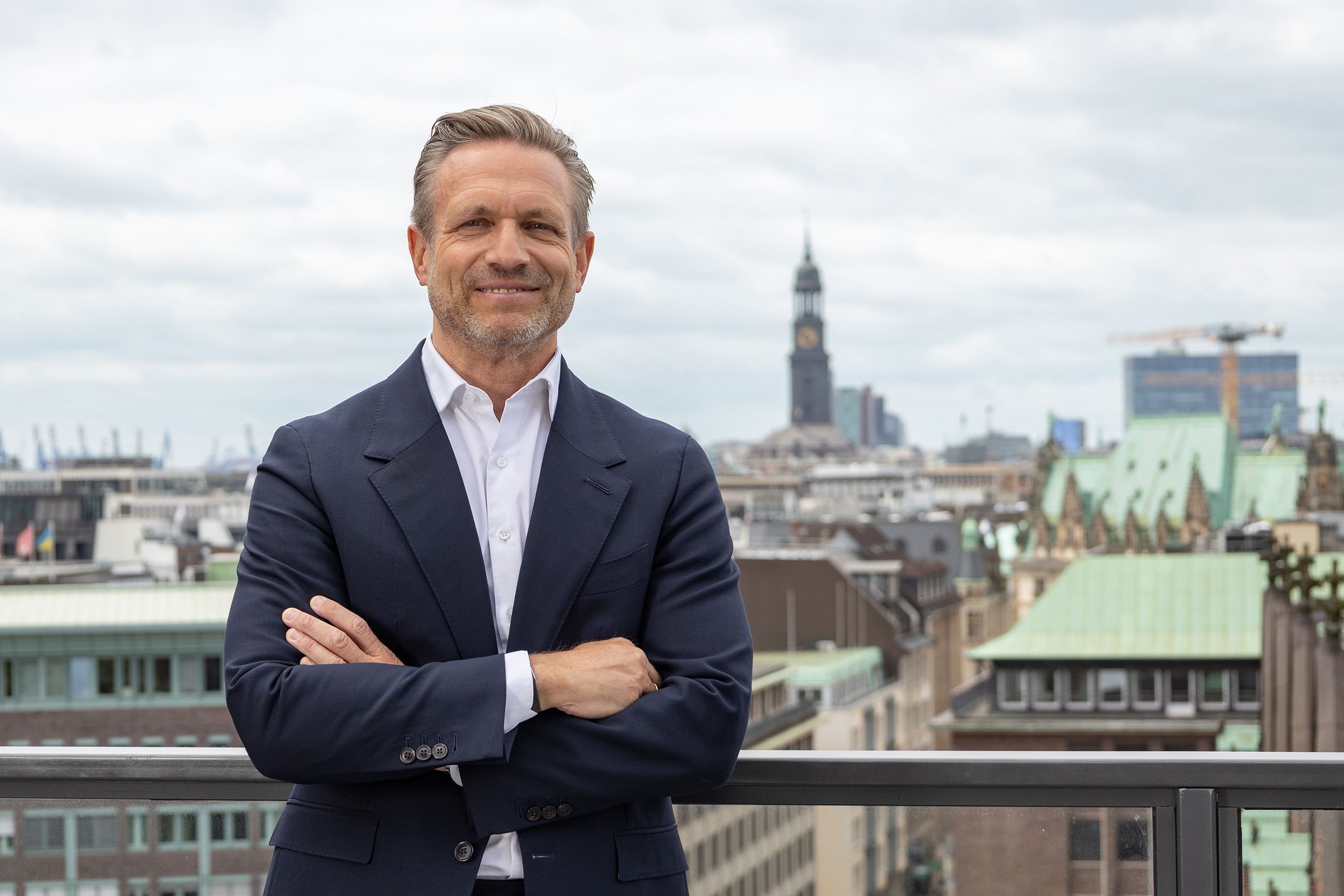
CEE Group, a Hamburg-based asset manager and subsidiary of Brookfield Asset Management, operates across the entire value chain of renewable energy. Its business model encompasses raising equity from investors, acquiring and developing renewable assets, managing storage solutions, and overseeing the operation and management of investment vehicles. Specialising in solar, wind, and battery hybridisation, CEE Group focuses exclusively on Western and Northern Europe.
In July 2024, CEE Group acquired a solar project in Spain through its CEE Renewable Fund 8. This acquisition marks the fund's second since its launch at the end of 2023. As the fund approaches its first close, inspiratia speaks with CEE Group's CEO, Detlef Schreiber, about the company's renewable energy strategy, investment approaches, and emerging trends in the solar, wind, and hybridisation sectors across Europe.
Can you provide an overview of CEE Group's role and strategy in the renewable energy sector?
The CEE Group is a Hamburg-based asset manager specialising in renewable energies. With a track record of more than 100 transactions in the renewable energy sector and a portfolio of around €2.6 billion (£2.19bn $2.87bn) in assets under management in Europe, CEE is a reliable and experienced partner. The main focus is on wind, solar and battery energy storage systems (BESS). CEE Group has 47 onshore wind farms with an installed capacity of 700MW and 55 solar projects with 1.2GWp, as of 30 June 2024.
As an international company, CEE Group offers its investors sustainable investment solutions with long-term return opportunities in the growth market for renewable energies. With its independently operating companies, CEE Group offers a comprehensive range of services for projects in this segment. Investors are primarily institutional investors with a long-term interest in renewable energies.
What is the current status of the CEE Renewable Fund 8, including the amount invested so far and future investment plans?
The CEE Renewable Fund 8 (RF8) is approaching its first closing within the next few weeks. Initial projects have already been acquired using bridge financing—a strategy we consistently employ to secure projects before raising capital. This allows our investors to avoid committing to a blind pool, enhancing transparency and confidence in the fund's assets. The fund has a target IRR of 7-9%. The closed-end Alternative Investment Fund will invest specifically in hybridisation projects in addition to wind and solar parks and storage technology. Mainly, existing wind farms from the CEE Group's existing portfolio will be expanded to include additional PV systems and storage solutions. The fund meets the requirements of Article 9 of the EU Taxonomy and has been specially tailored to the needs of institutional investors.
What trends are you observing in returns? How do these returns compare between specific markets or technologies?
Over the past 24 months, returns from wind and solar projects have increased. However, compared to general interest rates, there is still potential for returns to rise further. A major challenge is the increasing number of new investors with limited experience in project valuation, which is driving returns downwards. At CEE Group, we are prioritising working with reliable partners who value long-term relationships.
At the moment, the highest returns can be achieved with BESS, followed by solar projects and onshore wind. From our point of view, wind has the lowest returns at the moment due to scarcity. But we believe this will change in the future. Although BESS looks attractive on paper and is essential for future grid stability, we remain cautious, recognising that operating a BESS involves a different business model. We continue to monitor the market closely.
What are your views on floating photovoltaic (PV) systems, and how do you see this technology evolving in the near future?
Floating photovoltaics offer notable advantages, such as efficient land use and improved panel efficiency through natural cooling. However, challenges include higher costs and technical complexity. While CEE has not invested in floating PV systems, we see potential in the market, particularly with experienced players and reliable components. We believe floating PV will remain a niche but important solution for the energy transition.
Can you describe CEE Group's current pipeline for solar and wind projects?
Our 10-person international M&A team annually reviews around 35.5GW of new projects across Western and Northern Europe, with only 358MW reaching contractual agreements in 2023. These carefully selected assets align with our strict investment criteria, allowing us to maximise their long-term value.
Recently, we completed a 38MWp solar project in the Netherlands and are nearing completion of a large solar project in Germany. Additionally, we currently have a 1GW development pipeline in Germany, primarily driven by our operational projects.
Are co-located wind and solar projects part of CEE Group's strategy? Do you see this as growing trend in your portfolio?
Yes, we believe that hybridisation gets the most out of one grid connection. In addition to the proven acquisition of developed projects, the RF8 Fund focuses strongly on the hybridisation of existing assets that we have been managing operationally for decades. We use the existing infrastructure and existing lease agreements and expand them.
In most cases, we have the opportunity to supplement wind turbines with solar. While solar generates energy during the day when the sun is shining, wind energy can be produced around the clock if wind is available. In combination, this allows for more constant energy production.
We have a dedicated team, the Project Development team, that is focusing on hybridisation and repowering of our portfolio.
What are the current challenges the group faces in the wind and solar sectors? How is CEE Group addressing these challenges?
Higher interest rates, higher costs caused by geopolitical turmoil affecting supply chains, higher ESG-standards and increasing competition are squeezing margins in established markets, making it difficult to source projects that will allow us to deliver attractive returns for our investors. We have been aiming at buying turnkey-ready projects, but it's impossible nowadays to hit the return-targets with such projects. So we are buying at a building-stage at the moment. Furthermore, we are meeting these challenges by diversifying into new markets, such as Spain, and by expanding our technologies through the addition of battery storage, but also by strategically developing our legacy portfolio. This also includes the introduction of digital tools to increase efficiency and the establishment of stable sources of income through long-term power purchase agreements.