Q&A: Nexans – Addressing technical risks behind Xlinks
 Ashkenaz A.L.
EU
InterconnectorsQ&AFinancingEsgLarge-scale subsea cable interconnector projects like the Xlinks First project have become a subject of controversy in recent weeks. After much hype and equity backing from players like Octopus Energy and TotalEnergies, the Morocco-UK subsea interconnector faced a major setback after the UK government's Department for Energy Security and Net Zero announced that it would not support the proposed project through a Contract for Difference (CfD) Guarantee.
While this led to the developers cancelling most of the project's supply chain contracts and suspended the ongoing debt raise process, Nexans, a global manufacturer of cable systems, noted that innovative technological solutions could be the key to addressing challenges that mega projects like Xlinks could face.
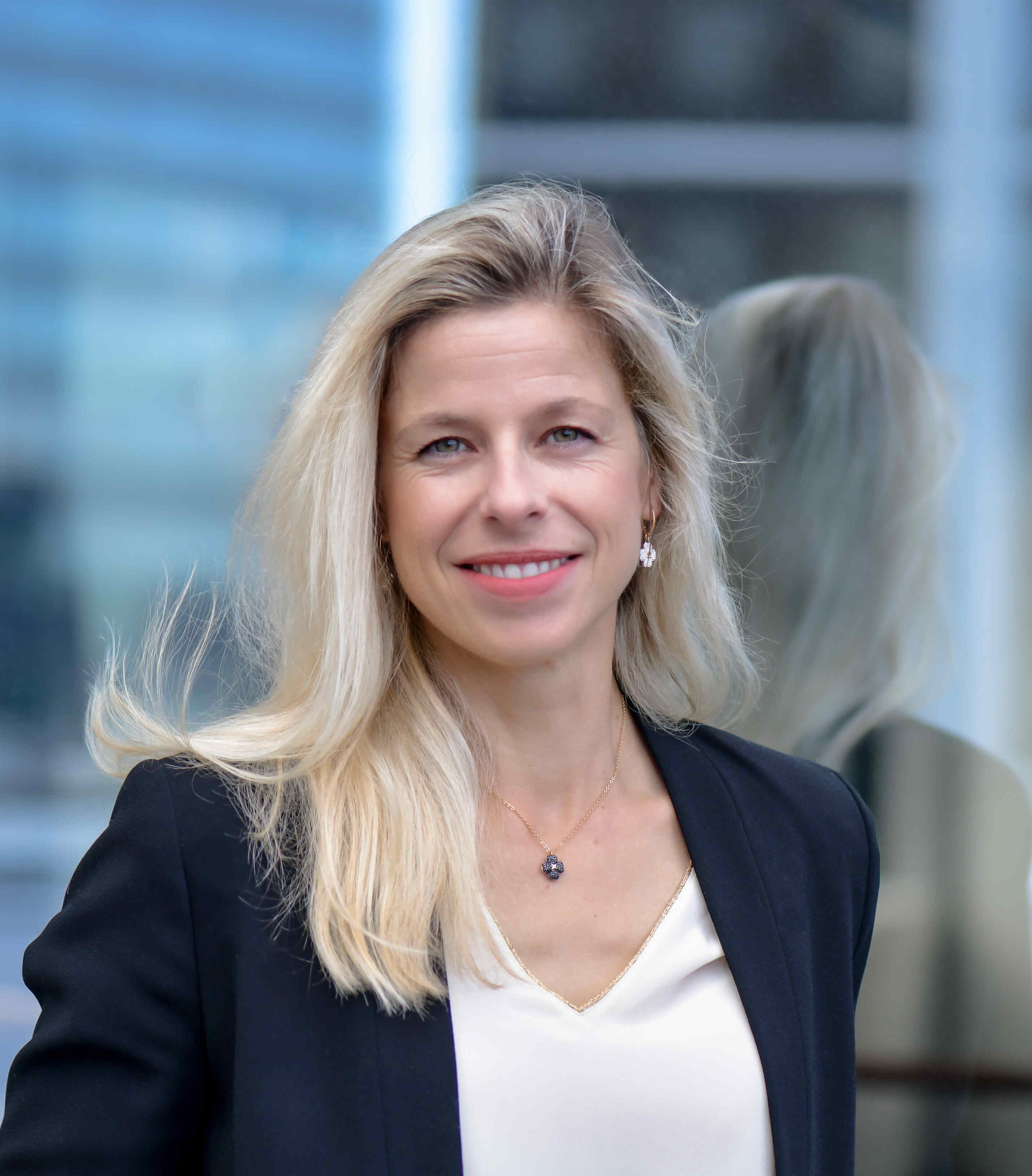
inspiratia speaks to Elyette Roux, the executive vice president for power grids at Nexans, to discuss the company's strategic shift towards electrification. Roux also highlights that mitigating technological risks is the key to financing such large-scale projects.
What role does Nexans see itself playing in the energy transition space?
Nexans has historically been a cable manufacturer. We have been working in a generalist way, meaning that we serve everything that could be connected by cables.
However, since 2021, we have rotated our assets to focus only on electrification. We are finalising this rotation this year [2025] and are now primarily serving the electrification sector. This includes the generation of energy, especially offshore wind, along with renewables in general, to the distribution of energy and then finally the usage of energy in buildings and homes, where you have a lot of cables and wires.
This is part of a strategic move that we have made over the past four years.
What segments are you most active in?
If we were to split the electrification business, it is around 30-30-40. It is around 30% for high voltage offshore wind submarine cables, 30% is for the power grid, with medium and low voltage cables, and finally, you have the remaining for low voltage segment, which is for buildings and homes.
For our offshore wind segment, we have a strong pipeline of long-term agreements with our customers.
What caused this strategic pivot towards electrification?
The first reason is value creation. A few years ago, we decided that complexity was the biggest challenge when you are a generalist. As part of this challenge, you are betting on volume, and you have to be able to fund this volume generalist play, including the industrial CapEx, on and off through the year, and this complexity eats at your margins.
In order to be much more impactful in terms of value creation, for both our customers and also for our shareholders, we decided to refocus from a volume play to a value play, and specifically, focusing on the electrification part.
The second reason is our ESG strategy. We aim to be net zero by 2050, so it means that we have to look at everything we do with that lens. We are again focusing on the least polluting activities. For instance, a few years ago, we also decided to stop selling to some customers that were not aligned with our ESG agenda.
The last reason is the increasing focus on the topic of energy security. More and more, we see a need to have a closer loop or a region-wide Europe loop in our electricity supply. That is pushing Europe towards local specialisation to serve needs closer to the market.
This will also help us use the scrap of today as a resource of the future, for the simple reason that there is a big challenge surrounding the quantity of nonferrous metals like copper and aluminium. The market is preparing itself for a shortage of copper. When it comes to aluminium, you can only make used scraps of aluminium cables to make new cables. You cannot make it from scraps of soda cans, for example. That is the reason we need to create those closed loops, and those loops work well when they are located nearby.
There has been a lot of talk lately on large-scale subsea interconnector projects, like Xlinks and NATO-L. How financially viable are those projects?
I cannot comment on ongoing or potential projects, but a major factor will be mitigating risks. These projects may materialise with financing structures in place, but these financings will only materialise if the risk is factored in and insured.
That is why companies like Nexans work hand in hand with their customers to partner and manage risk in the best way.
From a technical perspective, how do you address challenges for these kinds of projects?
The further the cable goes offshore, the more technology it requires. For example, the market is shifting from HVAC to HVDC. It is a technological shift for the entire ecosystem, and those solutions come from innovation. This is how Nexans is supporting electrification with technology solutions.
Innovation is key to solving technological challenges, including joint innovation or co-innovation with an ecosystem of partners, including in some cases, the customers themselves.
Cable transmission and power grids sound like very CapEx-intensive venture. What kind of financing strategies are most common for these projects?
In the world of power transmission, it's common to see partnerships between providers like us and our main customers, where part or all of the CapEx needed is provided by the main customer. In the same way, we also have some production lines that are also funded by some customers.
In the case of power grids and distributed energy, this is less frequent, but it is starting to be more and more common. Power grids are facing the same bottleneck challenges that happened a few years ago in the transmission sector, where customers had to reserve their capacity, because mature economies are trying to modernise and upgrade their grids at the same time. Meanwhile, developing economies are trying to expand their grid at the same time. This has never happened before, where the demand is the same in Vietnam as you see in Europe, for example.
While the supply of metals has been a challenge, another major issue is the supply of competence. All of the cables and grids need to be installed, and this work is not done by robots, but by humans. All over the world, everyone is facing the same challenge of not having enough skilled workers to be able to do that. As the grid becomes more complex, it requires more qualified and skilled workers, which is becoming a real challenge.