Q&A- KGAL: Adding value through repowering
 Ashkenaz A.L.
Onshore wind has played a key role in Europe's energy transition journey for the past two decades. As technologies advance, developers are seeing significant opportunities in repowering older farms. By replacing the existing, ageing turbines with new, larger and more efficient turbines, sponsors could potentially double their project's generation capacity, and significantly slash the number of turbines required.
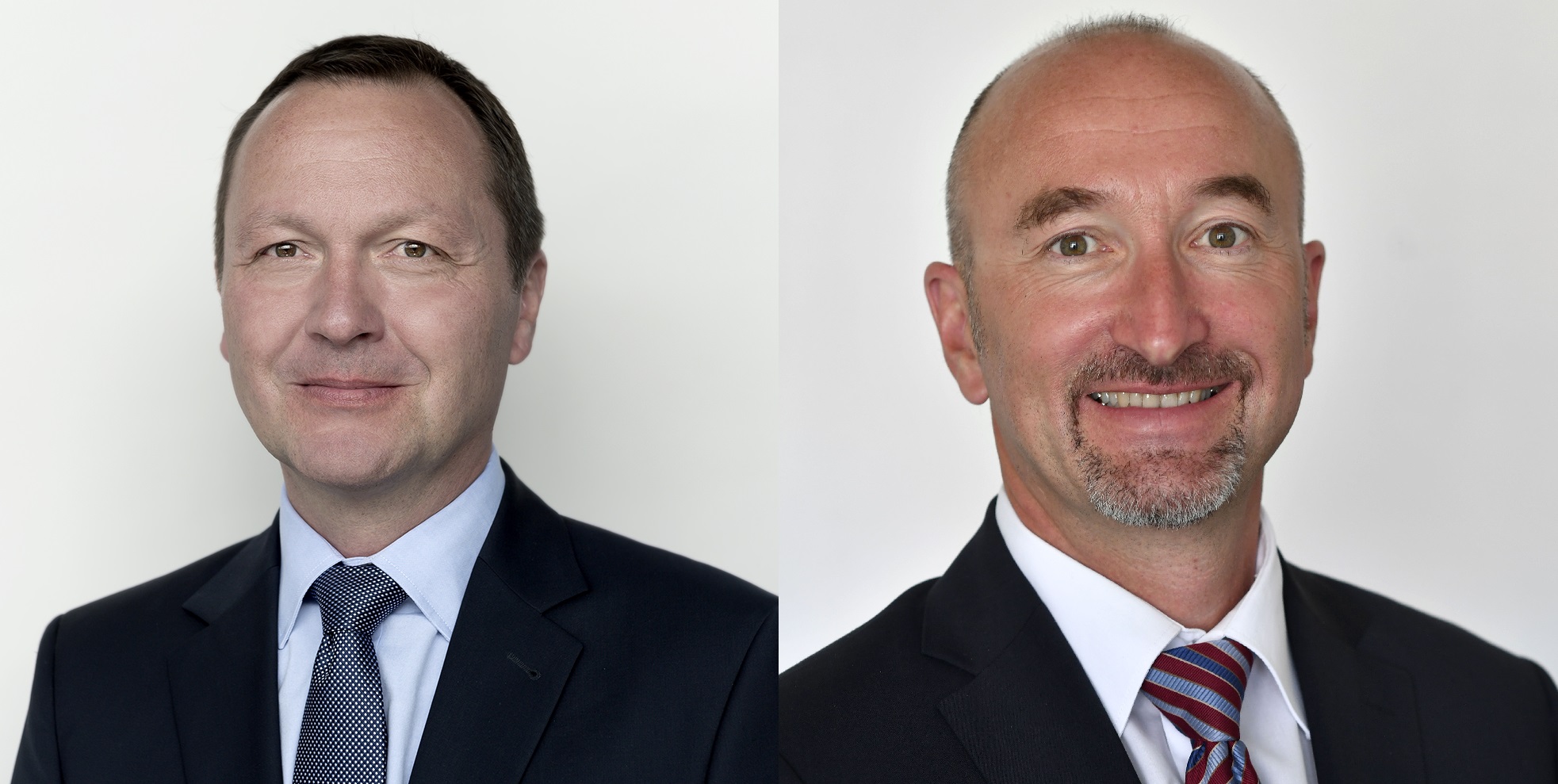
Repowering onshore wind farms is one of the key strategies that KGAL Investment Management is pursuing under its sustainable infrastructure mandate. inspiratia sat down with Andreas Ochsenkühn, head of portfolio management sustainable infrastructure and Thomas Engelmann, head of energy transition, to discuss the opportunities the German asset manager sees in repowering onshore wind farms.
Ochsenkühn highlighted the benefits of repowering onshore wind and solar farms, while Engelmann expanded on KGAL's plans in the hydrogen sector, which is set to be a vital part of the German asset manager's strategy.
Looking broadly, what are the most exciting opportunities that KGAL sees in the energy transition right now?
Ochsenkühn: We would emphasise three points: Repowering is becoming increasingly attractive due to the growing number of wind and solar parks reaching the end of their lifecycle and technological advances in turbines and modules. Battery energy storage systems (BESS) are becoming an essential technology for the efficient use of green electricity and to stabilise the electricity grids. eSAF projects should arise due to the EU regulatory environment. Furthermore, for the foreseeable future, eSAF is the only practical solution for decarbonising the aviation industry.
What opportunities do you see in repowering onshore wind?
Ochsenkühn: Repowering onshore wind presents significant opportunities, particularly in Germany. Many early-generation wind farms, installed 15-20 years ago, are approaching the end of their design life or are no longer as efficient compared with modern technology. Repowering allows for the replacement of older turbines with modern, higher-capacity models, significantly increasing energy output and efficiency. Repowering in Germany benefits from an easier permitting process, which reduces development risk and timelines. Repowering aligns well with KGAL's sustainable infrastructure strategy, as it maximises the potential of existing sites while minimising environmental impact compared to greenfield developments.
The latest fund, ESPF 6, focuses primarily on hydrogen, why set such a specific focus for the latest vintage of the ESPF strategy?
Engelmann: ESPF6 invests up to 50% in green hydrogen projects due to the highest impact in the energy transition market. But our fund also invests in other technologies.
How has LP appetite been for "niche funds" such as ESPF 6 that only look at one technology?
Engelmann: We do look for energy transition related technologies. This could be green hydrogen and derivatives (supporting the industrial, shipping and aviation markets) but also industrial heat pumps and EV-charging can be included. It is not unusual for investors to take more time to make their investment decisions when it comes to newer technologies. In any case, we are seeing fundamental interest across Europe in participating in energy transition projects.
What kind of use cases do you see being most popular for hydrogen in the future?
Engelmann: eSAF and high-temperature industrial processes (e.g. steel) as well as fertiliser (green ammonia) production. Chemical production with green hydrogen as feedstock is also in focus.
Is there any government support needed to get the hydrogen economy up and running? If so, what kind - policy or subsidies?
Engelmann: Yes, demand stimuli like minimum CO2 neutral volumes to be used in the industry (like eSAF regulation).
How important is BESS to your strategy right now? What are the most attractive BESS markets for KGAL?
Engelmann: Battery storage is becoming a key pillar of any energy transition strategy due to the increasing volatility and occurrence of negative prices in power markets. As a bridging technology, BESS has reached economic viability under specific conditions thanks to significant technological advancements. Today, we consider BESS in all our new renewable energy projects as an essential component to enhance grid stability and project profitability. The most attractive markets for BESS are those with a high penetration of renewable energy in the electricity grid. These markets benefit most from the flexibility and ancillary services that BESS can provide, such as balancing supply and demand or mitigating curtailment. Examples include countries with ambitious renewable energy targets, such as Germany, Italy and Spain.
How do you ensure attractive returns from BESS assets? Ochsenkühn: BESS assets have a multi-revenue potential to optimise returns. This includes capturing value from energy arbitrage, such as peak shaving, which monetises price volatility, and providing ancillary services, including frequency response, grid stabilisation, and reserve capacity. By diversifying income streams, it is possible to mitigate risks associated with single-market dependencies.
Do you favour a more contracted or merchant approach for BESS?
Ochsenkühn: The choice between a contracted or merchant approach depends on market conditions. Currently, few countries offer or plan to offer fixed tariffs or long-term contracts for BESS, limiting the availability of fully contracted solutions. However, we see contracted revenues as an important mechanism to promote BESS deployment during the current steep learning curve of the technology.